
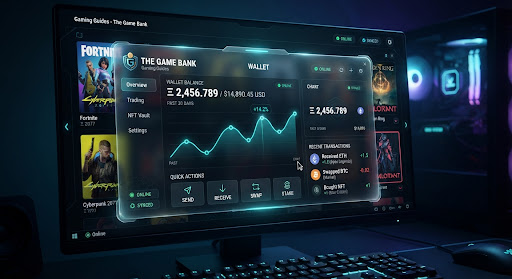
Every GameFi newcomer eventually asks the same question: where do I actually start? This guide covers the four decisions that matter most before you touch a single smart contract.
Setting up your first wallet
Use a dedicated wallet for gaming, separate from any wallet holding significant personal funds. Game contracts, especially newer ones, carry more smart-contract risk than established DeFi protocols — isolating exposure limits the blast radius if something goes wrong.
Gas optimization strategies
- Batch your on-chain actions (claiming rewards, upgrading items) rather than executing them one at a time — most game contracts support multicall patterns that cut gas costs significantly.
- Time non-urgent transactions for off-peak network hours; gas on most L2 gaming chains still fluctuates meaningfully with mainnet congestion.
- Check whether the game sponsors gas for core gameplay actions before assuming every interaction costs you directly — many hybrid titles now cover this.
Understanding NFT rarity scales
Rarity in most GameFi titles is a composite of trait frequency, not a single visible stat. A ‘legendary’ visual tier doesn’t automatically mean the strongest in-game stats — always check the project’s published trait-weighting document (or a third-party rarity tool) before paying a premium for a specific tier label.
Securing your inventory
Enable a hardware wallet or at minimum a dedicated browser profile for any wallet holding assets above trivial value, and never sign a transaction you haven’t read the function name on. Phishing sites that mimic official game UIs remain the single largest cause of GameFi asset loss — far more than smart contract exploits.
Get these fundamentals right in week one, and the rest of your GameFi journey gets considerably less stressful.